
How to Choose the Right SEO Service for Your Business
Choosing an SEO service can be difficult, especially if you are not sure what good SEO should actually look like.
Most businesses know they need more visibility on Google. They want more traffic, more enquiries, more sales, or more local customers. But when you start comparing SEO services, everything can quickly sound the same.
Everyone says they are “data-driven”. Everyone talks about rankings. Everyone promises growth.
After working in SEO for over 12 years, I have learned that the best SEO service is not always the one with the flashiest proposal, the biggest promises, or the longest list of deliverables.
The right SEO service is the one that understands your business, knows where the real opportunities are, and can turn search visibility into something commercially useful.
In this guide, I will explain how to choose an SEO service that suits your goals, your budget, and your stage of growth.
Start With the Business Goal, Not the SEO Package
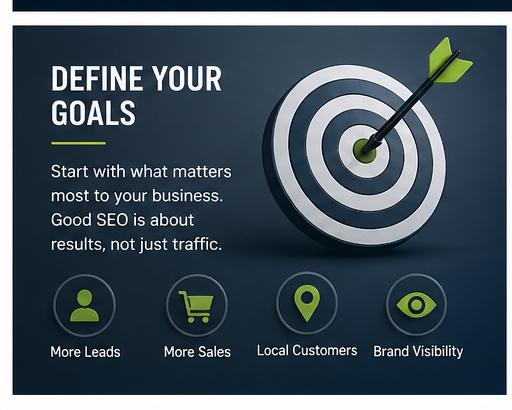
Before you choose an SEO provider, be clear on what you actually want SEO to achieve.
“More traffic” is not specific enough.
A good SEO strategy should connect to a real business outcome, such as:
- More local enquiries
- More online sales
- Better quality leads
- More bookings
- More visibility for high-value services
- Reduced reliance on paid ads
- Long-term organic growth
This matters because not all traffic is equal.
I have seen websites get thousands of visitors from blog content that never turns into business. I have also seen smaller sites generate strong enquiries from a handful of well-optimised service pages.
The goal is not just to rank. The goal is to attract the right people.
Understand What Type of SEO Help You Actually Need
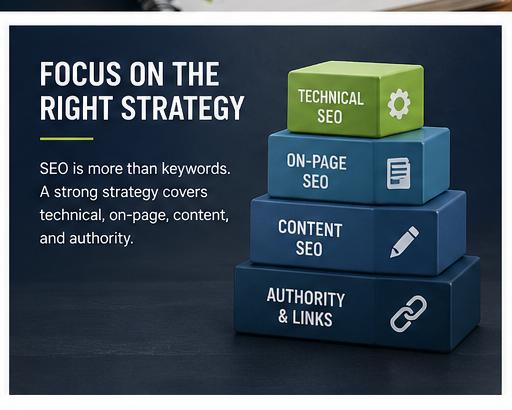
SEO is not one single task. It is a mix of technical work, content, strategy, authority building, and ongoing improvement.
The right SEO service depends on where your website is now.
Technical SEO
Technical SEO focuses on how well Google can crawl, understand, and index your website.
This can include:
- Site speed
- Indexing issues
- Broken pages
- Redirect problems
- Internal linking
- Mobile usability
- Duplicate content
- Site structure
If your website has technical problems, content and backlinks will not perform as well as they should.
This is often one of the first things I look at because technical issues can quietly hold a website back for months or even years.
On-Page SEO
On-page SEO is about improving the pages on your website so they target the right searches and satisfy user intent.
This includes:
- Keyword research
- Page titles
- Meta descriptions
- Headings
- Content structure
- Internal links
- Calls to action
- Search intent matching
Good on-page SEO is not about stuffing keywords into a page.
It is about making sure each page has a clear purpose, answers the right questions, and gives visitors a reason to take the next step.
Local SEO
Local SEO is important if you serve customers in a specific area.
This is especially relevant for:
- Trades
- Clinics
- Solicitors
- Accountants
- Dentists
- Local service businesses
- Restaurants and hospitality
- Consultants with a regional focus
Local SEO often includes:
- Google Business Profile optimisation
- Local landing pages
- Reviews
- Local citations
- Location-based keyword targeting
For many small businesses, local SEO can be one of the fastest ways to generate meaningful enquiries.
Content SEO
Content SEO is about creating useful pages, guides, articles, and resources that help your website rank for relevant searches.
But there is a big difference between content and good content.
Generic blog posts rarely move the needle.
Strong SEO content should:
- Answer real customer questions
- Show genuine expertise
- Target topics with business value
- Support your service pages
- Build trust before someone contacts you
This is where experience matters. The best content usually comes from understanding both SEO and the customer’s decision-making process.
Authority and Link Building
Backlinks are still an important part of SEO, especially in competitive markets.
But this is also one of the areas where businesses need to be careful.
Low-quality link building can do more harm than good.
Be cautious of anyone offering:
- Hundreds of links for a low price
- Guaranteed rankings
- Private blog network links
- Vague “authority building” with no explanation
- Links from irrelevant websites
Good authority building should be relevant, natural, and focused on long-term trust.
Look for Commercial Thinking
One of the biggest signs of a good SEO service is whether they think commercially.
SEO should not be treated as a checklist.
Before recommending keywords or content, an SEO provider should want to understand:
- What services make you the most money
- Which locations you want to target
- What type of customer you want more of
- Which leads are valuable and which are not
- What your sales process looks like
- Who your real competitors are
- What makes your business different
This is where a lot of SEO goes wrong.
A website can rank for keywords that look good in a report but do very little for the business.
The best SEO strategy focuses on the searches that can actually lead to revenue.
Be Careful With Guarantees
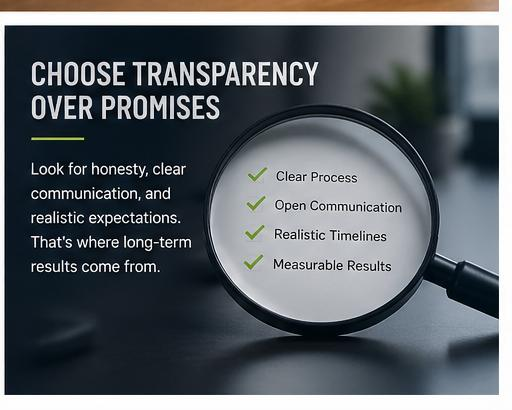
No serious SEO professional can honestly guarantee a number one ranking on Google.
There are too many factors outside anyone’s control, including:
- Competitor activity
- Algorithm updates
- Website history
- Budget
- Content quality
- Technical limitations
- Market competitiveness
That does not mean SEO should be vague.
You should still expect a clear plan, realistic targets, and regular reporting.
But be cautious of anyone promising instant results or guaranteed rankings. Good SEO is built through consistent, high-quality work over time.
Ask What Will Actually Be Done
Before choosing an SEO service, ask what work will be carried out.
A vague answer is a warning sign.
You should have a clear idea of what is included, such as:
- Technical audit
- Keyword research
- Competitor analysis
- On-page optimisation
- Content planning
- New content creation
- Google Business Profile work
- Internal linking improvements
- Reporting
- Strategy reviews
You do not need to understand every technical detail. But you should understand what you are paying for and why it matters.
Check Whether the Strategy Is Tailored
A good SEO strategy should not feel like a copy-and-paste package.
For example, a local plumber, an ecommerce store, and a national consultancy all need different SEO approaches.
The keyword research will be different.
The content strategy will be different.
The technical priorities may be different.
The link building approach may be different.
The reporting should also be different.
If someone offers the same fixed package to every business without first understanding your website, market, and goals, that is usually not a good sign.
Make Sure Reporting Is Useful
SEO reporting should be clear, honest, and connected to business performance.
A useful SEO report may include:
- Organic traffic
- Keyword movements
- Enquiries or conversions
- Pages gaining visibility
- Pages losing visibility
- Work completed
- Issues found
- Next steps
What you do not want is a confusing report full of charts but no explanation.
Good reporting should help you understand what is happening, what has improved, what needs work, and what the next priority is.
Look for Experience, But Also Practical Honesty
Experience matters in SEO because not everything is obvious from tools.
SEO tools can show keywords, links, audits, and rankings. But they do not always tell you what to prioritise.
That comes from experience.
After 12 years in SEO, one thing I have learned is that the best results often come from doing the right things in the right order.
Sometimes that means fixing technical problems first.
Sometimes it means improving service pages.
Sometimes it means building content around high-intent searches.
Sometimes it means cutting back weak content that is doing nothing.
Good SEO is not about doing everything at once. It is about knowing what matters most.
Questions to Ask Before Choosing an SEO Service
Before hiring someone, ask these questions:
What would you prioritise first on my website?
This shows whether they have actually looked at your site properly.
How do you choose keywords?
You want an answer that includes search intent, competition, and business value — not just search volume.
What does success look like?
The answer should connect to leads, sales, enquiries, or visibility for important services.
How will you report progress?
You should know how often you will receive updates and what will be included.
Do you explain the work being done?
SEO should not feel like a mystery. A good provider should be able to explain things clearly.
How long should SEO take?
The answer should be realistic. SEO usually takes time, especially in competitive markets.
Red Flags to Avoid
Be careful if you hear any of the following:
- “We guarantee position one”
- “You will rank in 30 days”
- “We have a secret method”
- “You do not need to know the details”
- “We will build hundreds of backlinks”
- “SEO is a one-time job”
- “We use the same package for everyone”
These are usually signs of either poor-quality SEO or unrealistic sales tactics.
Cheap SEO Can Become Expensive
It is understandable to have a budget. Every business does.
But very cheap SEO often creates problems.
Low-cost SEO usually means one of three things:
- Very little work is being done
- The work is automated
- Corners are being cut
The danger is that poor SEO can waste months of time. In some cases, it can also damage your website with low-quality backlinks or badly written content.
It is better to do a smaller amount of good SEO than a large amount of poor SEO.
The Right SEO Service Should Feel Like a Partnership
SEO works best when there is good communication.
Your SEO provider should bring search expertise. But you also bring important knowledge about your business, your customers, your services, and your market.
The best results usually come when both sides contribute.
That means your SEO provider should ask good questions, listen properly, and use your business knowledge to shape the strategy.
This is especially important for content. If your website content sounds generic, it will struggle to stand out. But if it includes real experience, useful detail, and clear answers, it has a much better chance of earning trust.
Final Thoughts
Choosing the right SEO service is not about finding the loudest promise or the cheapest monthly package.
It is about finding someone who understands how SEO fits into your business.
The right SEO service should help you:
- Improve visibility
- Attract better traffic
- Generate more enquiries
- Build trust
- Strengthen your website over time
SEO is not magic. It is a long-term process of improving your website, targeting the right searches, creating useful content, and building authority.
When it is done properly, it becomes one of the most valuable marketing channels a business can have.
If you are considering SEO support and want honest advice on where your website stands, I can help you understand what is worth prioritising first.
FAQs About Choosing an SEO Service
How do I choose the right SEO service?
Start by looking for experience, transparency, clear communication, and a strategy that is tailored to your business. Avoid anyone who guarantees rankings or offers vague packages without understanding your goals.
How much should SEO cost?
SEO costs vary depending on your website, competition, goals, and the amount of work needed. Very cheap SEO is usually limited or low quality. A good SEO service should explain what is included and why it is worth doing.
How long does SEO take to work?
SEO usually takes several months to show meaningful results. Some improvements can happen quickly, especially technical fixes, but long-term growth takes consistent work.
Is SEO worth it for small businesses?
Yes, SEO can be very valuable for small businesses, especially when it targets the right services, locations, and customer intent. The key is focusing on searches that can generate real enquiries or sales.
What should an SEO service include?
A good SEO service may include technical SEO, keyword research, on-page optimisation, content strategy, local SEO, link building, reporting, and ongoing improvements. The exact mix depends on your business.
Can anyone guarantee SEO results?
No one can honestly guarantee specific rankings on Google. A good SEO provider can give you a clear strategy, realistic expectations, and evidence-based recommendations, but guaranteed rankings are a red flag.
Leave a Reply